
The GUARDIANS OF THE REEF Organisation was formed in 1989 to draw up a workable plan to combat a third starfish plague which co-founder professor Robert Endean had predicted would begin around 1995. That plan was ready in 1995 as growing numbers of juvenile starfish appeared on the Great Barrier Reef heralding the beginning of the predicted third plague. As funding became more difficult and oceans problems intensified, the GOR Organisation decided to take advantage of the growing popularity of the internet to launch a a new, even more ambitious preservation program, one which encompassed a broad range of ocean issues - on a global scale. Together with a new name - OCEANGUARD SOCIETY.
CO-FOUNDER: Dr. Robert Endean
A specialist on venomous and poisonous marine animals, Endean was a founding member of the International Society on Toxinology and a pioneer in marine pharmacology. As an acknowledged expert on the toxic crown of thorns starfish, Endean published extensively on starfish outbreaks in the scientific literature. He was the supervisor of the first intensive study of the crown of thorns 1966-68 and concluded in his report that he thought the cause of the outbreaks was due to lack of predator pressure and that a control program should be implemented immediately. He also warned that to not act on the problem, the well-being of Great Barrier Reef was at risk. But no-one heeded his warnings.
CO-FOUNDER: Frank Shields
Frank is an award winning filmmaker. Among his credits was the first film made about Breaker Morant, “The Breaker”. He has also directed five feature films, “Hostage”, “Fatal Sky”, “Hurrah”, “The Finder” and “The Surfer”, the latter being invited to the prestigious Director’s Fortnight, Cannes in 1987 and was the only feature to represent Australia that year. In the same year a retrospective of his work was shown at Le Cinematheque in Paris from which several of his films were invited to other International Film Festivals. Shields is also an experienced diver, having run a charter boat business in the Bahamas where he took hundreds of divers on underwater tours of local reefs.
MARINE CONSULTANT: Richard Chesher, Ph.D.
A graduate of the Museum of Comparative Zoology, Harvard University Chesher took up teaching at the University of Guam, in evolution and invertebrate zoology. When the first plague of starfish attacked coral reefs in the Pacific region in 1969, Chesher trained 69 professional scientists in field survey techniques for U.S. Department of the Interior Pacific Crown of Thorns Survey. He has 30 years of experience in scientific assessment and monitoring surveys on coral reefs, black corals, pearl oysters, giant clams and crown of thorns starfish throughout the Pacific Islands and is the author of more than 48 scientific papers. Chester is also an expert in multi-media and photography.
MARINE CONSULTANT: John Paterson, B.Sc, Ph.D.
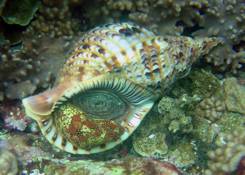
John Paterson studied under Professor Bob Endean at the University of Queensland from 1977-86 where he learned first hand the crown of thorns problem on the Great Barrier Reef. He then turned his attention to the starfish’s main predator, the Giant Triton Shell founding Chronia Research in 1988 and has continued that research to the present day. Paterson would be the foremost expert on the Triton, particularly on the Great Barrier Reef. Paterson has also been a member of the Djulin Marine Aboriginal Corporation for the past seven years.
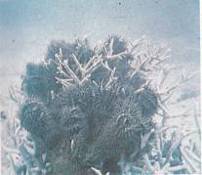
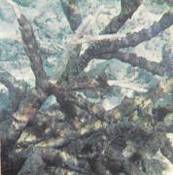
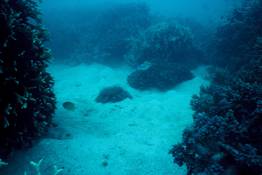
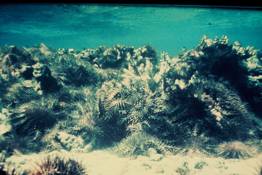
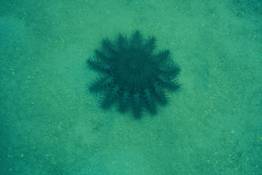

The Great Barrier Reef is the largest living organism on the planet. Running 2,000 kilometres down the North East coast of Australia a myriad of over 2,500 reefs and islands cover an area of 350,000 square kilometres of ocean. This greatest of all coral ecosystems supports 350 species of coral, 1,500 species of fish and thousands of molluscs, making it one of the most biodiverse communities in the world.
Besides its natural beauty the Great Barrier Reef is a scientific wonderland and an untapped source of pharmaceutical benefits for the human race. But this could all be lost if the present situation on he Reef is allowed to deteriorate further.
Unbelievably, the Great Barrier Reef took 20 million years to form yet it has taken a little more than 100 years of man’s interference to devastate it.
Our oceans are in a state of deterioration and the life it supports is diminishing rapidly.
To combat the multitude of problems they are faced with, it will take the combined effort of a vast number of organizations, each focusing on a single or even multiple issues, but working to an overall goal. The wellbeing of our oceans.,
With this strategy in mind, OCEANGUARD will help in trying to save the jewel of all the oceans – the Great Barrier Reef – the Eighth Wonder of the World.
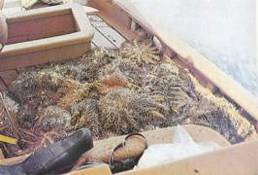
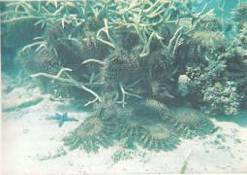
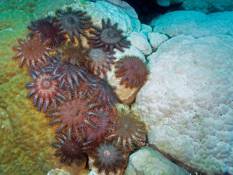
Besides natural attrition caused by storms and hurricanes, the Great Barrier Reef is under siege by a fourth plague of coral eating Crown of Thorns starfish which have been eating the Great Barrier Reef alive for the last fifty years. It is this latter problem that OCEANGUARD will initially focus its attention on.
Besides its natural beauty the Great Barrier Reef is a scientific wonderland and an untapped source of pharmaceutical benefits for the human race. But this could all be lost if the present situation on he Reef is allowed to deteriorate further.
Unbelievably, the Great Barrier Reef took 20 million years to form yet it has taken a little more than 100 years of man’s interference to devastate it.
Our oceans are in a state of deterioration and the life it supports is diminishing rapidly.
To combat the multitude of problems they are faced with, it will take the combined effort of a vast number of organizations, each focusing on a single or even multiple issues, but working to an overall goal. The wellbeing of our oceans.,
With this strategy in mind, OCEANGUARD will help in trying to save the jewel of all the oceans – the Great Barrier Reef – the Eighth Wonder of the World.
Besides natural attrition caused by storms and hurricanes, the Great Barrier Reef is under siege by a fourth plague of coral eating Crown of Thorns starfish which have been eating the Great Barrier Reef alive for the last fifty years. It is this latter problem that OCEANGUARD will initially focus its attention on.
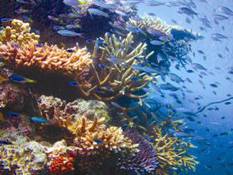
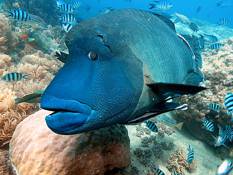
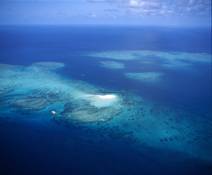
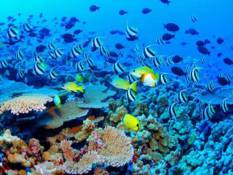
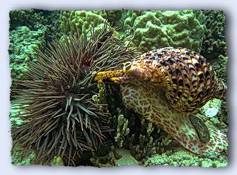
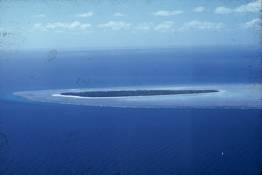
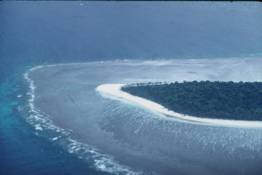
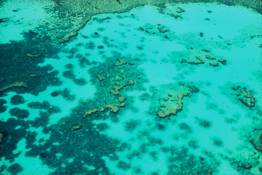
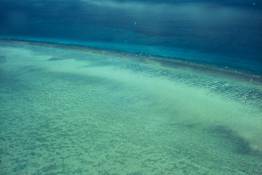
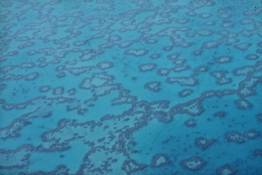
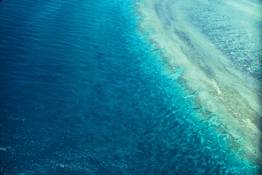
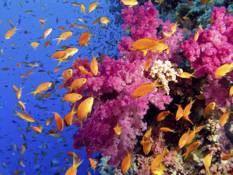
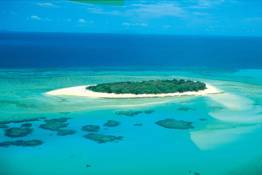
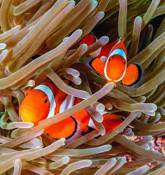
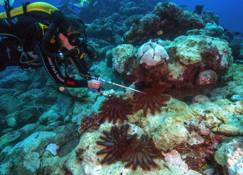
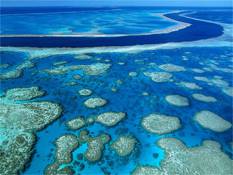

According to Historian of science Jan Sapp the Crown-of-thorns starfish problem was the FIRST CONTINUOUS GLOBAL ENVIRONMENTAL CRISIS. The Great Barrier Reef, the world’s largest ecosystem, more diverse than the Amazon rainforest is under attack on a number of battlefronts. Crown of Thorns, Overfishing, Spiralling Tourism, Coral Bleaching, Mining, Pollution, Politics, Dredging, Shipping & Acidification
Crown of Thorns
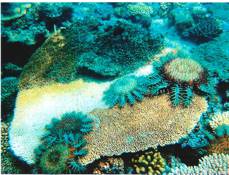
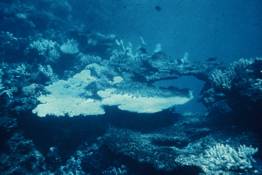
The first plague of these coral eating predators descended on the coral reefs of the Indo Pacific region in the early 1960’s and devastated huge tracts of coral in every ecosystem, some of which have not recovered to this day. The most damage suffered by any coral ecosystem was the Great Barrier Reef, for by the end of a third plague in the 2000’s, most of its enormous marine infrastructure had been affected. The destruction was catastrophic.
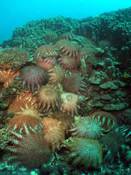
We are currently approaching the dangerous period of a fourth plague, when the starfish will “outbreak” and millions of starfish will attack and destroy whatever live coral is in their path. If no action is taken to reverse the situation this time around, the fate of the Great Barrier Reef will be sealed. For after each plague cycle the coral recovers less and less until it will reach the point of no return.
We are currently approaching the dangerous period of a fourth plague, when the starfish will “outbreak” and millions of starfish will attack and destroy whatever live coral is in their path. If no action is taken to reverse the situation this time around, the fate of the Great Barrier Reef will be sealed. For after each plague cycle the coral recovers less and less until it will reach the point of no return.
Over Fishing
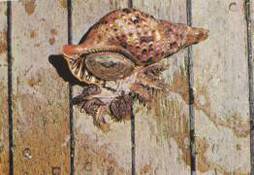
With the collapse of their industry in the 1950’s, trochus-shell fishermen leaped into the lucrative shell collecting industry where collectors eagerly sought coral shell molluscs such as the Balers, Giant helmets and Giant tritons because these species commanded high prices. By the early 1960’s, the Giant triton numbers had been decimated. Since the Giant triton is the most prolific predator of the Crown-of-thorns starfish, a major link in keeping the starfish population in check on the Great Barrier Reef had been broken.
With the advent of scuba gear, high-powered spear guns and fast outboard motors which made reefs more accessible, professional spear-fishermen eliminated massive numbers of the larger Crown-of-thorns predators, such as the Giant grouper and the Humpback wrasse until the source was fished out and the practice outlawed. Also the growing demand for fish from local fish markets and a “live-fish” for the Asian market industry is potentially decimating smaller starfish predators like the Spangled emperor and Triggerfish. So more links in controlling the starfish population on the reef is broken.
With the advent of scuba gear, high-powered spear guns and fast outboard motors which made reefs more accessible, professional spear-fishermen eliminated massive numbers of the larger Crown-of-thorns predators, such as the Giant grouper and the Humpback wrasse until the source was fished out and the practice outlawed. Also the growing demand for fish from local fish markets and a “live-fish” for the Asian market industry is potentially decimating smaller starfish predators like the Spangled emperor and Triggerfish. So more links in controlling the starfish population on the reef is broken.
Coral Bleaching
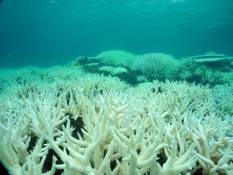
In 1998, in the International Year of the Ocean, the waters of the Great Barrier Reef warmed to their highest level in over 100 years and the reef suffered unprecedented coral bleaching, transforming huge areas of coral translucent white. Bleaching occurs when the delicate balance between algae and coral polyp is destroyed. When the coral is subject to sporadic adverse changes such as a rise in sea temperature, this causes the coral to release increased numbers of algae, leaving the coral polyp transparent with only the white calcium skeleton apparent. If the algae doesn’t return, the coral starves to death. Most corals can survive infrequent bleaching episodes but repeated or prolonged bleaching events will kill them.
Today, a vast number of marine scientists and climatologists around the world are convinced that the rising sea-temperatures and the coral bleaching caused by it, are attributed to human-induced global warming and unless this problem is addressed, the future of coral reefs is a grim one.
Today, a vast number of marine scientists and climatologists around the world are convinced that the rising sea-temperatures and the coral bleaching caused by it, are attributed to human-induced global warming and unless this problem is addressed, the future of coral reefs is a grim one.
Pollution
As the population continues to increase along the coastline of Queensland so does the amount of pollution, a good percentage of which affects the coral colonies of the Great Barrier Reef. A vast deluge of sediment and its associated nutrients is washed into the sea on a continuing basis, silting up virtually every inshore reef along the coastline and leaving them devastated. Also, semi-diluted sewage flows into the waters of the Great Barrier Reef from a number of outfalls along the Queensland coastline, changing the nutrient levels and in some cases causing toxic blooms. This in turn breaks down the foundation between coral and algae, once this foundation is broken, the whole system of coral life collapses.
Nothing causes changes to the nutrient level of the water of the Great Barrier Reef more than that attributed to agricultural run-off. Cane farming in particular has ballooned over the last seven decades. The pesticides used to grow crops are washed into the waters of the Great Barrier Reef via coastal rivers and creeks. This causes changes to nutrient levels which in turn affects coral development and is a source of food for Crown of thorns starfish in their larvae stage of growth.
Nothing causes changes to the nutrient level of the water of the Great Barrier Reef more than that attributed to agricultural run-off. Cane farming in particular has ballooned over the last seven decades. The pesticides used to grow crops are washed into the waters of the Great Barrier Reef via coastal rivers and creeks. This causes changes to nutrient levels which in turn affects coral development and is a source of food for Crown of thorns starfish in their larvae stage of growth.
Shipping
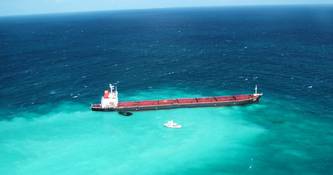
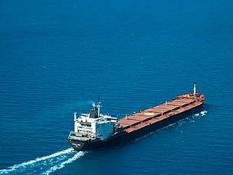
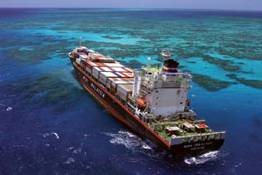
The dredging of Queensland’s harbours has only one outcome, more and larger ships to ply through the narrow shipping channels within the Great Barrier Reef. At present 7000 ships use these channels and by 2020, in just six years time, that figure will double.
What these figures represent, is double the chance of a freighter coming ashore on the reef, resulting in a major oil spill. The ensuing damage to the reef would be catastrophic. A grounding in 2010 did major damage to a large reef. Also a chance of foreign species being discharged in ballast water to cause more havoc on reefs.
What these figures represent, is double the chance of a freighter coming ashore on the reef, resulting in a major oil spill. The ensuing damage to the reef would be catastrophic. A grounding in 2010 did major damage to a large reef. Also a chance of foreign species being discharged in ballast water to cause more havoc on reefs.
Tourism
Tourism in itself is a good thing and the Great Barrier Reef is to be enjoyed by anybody who wishes to visit it. But spiralling tourism can have its problems.
The number of commercial boats plying the waters of the Great Barrier Reef has tripled in the last four decades and the tourist numbers even more. But unsupervised tourists cause a lot of damage, breaking off coral for souvenirs as one instance. But boat anchors and chains cause the most damage to coral, especially on reefs around the tourist resorts. On any given weekend about 500 boats will ply the waters around the Whitsunday Islands alone. The damage caused to the fringing reefs around these islands by boat anchors and chains has been severe, 50% in most cases.
The number of commercial boats plying the waters of the Great Barrier Reef has tripled in the last four decades and the tourist numbers even more. But unsupervised tourists cause a lot of damage, breaking off coral for souvenirs as one instance. But boat anchors and chains cause the most damage to coral, especially on reefs around the tourist resorts. On any given weekend about 500 boats will ply the waters around the Whitsunday Islands alone. The damage caused to the fringing reefs around these islands by boat anchors and chains has been severe, 50% in most cases.
Dredging
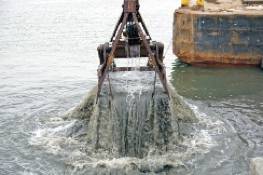
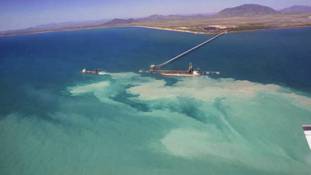
In the past eight years, over 50 million cubic metres of sea floor has been dredged and dumped in the sea off the Queensland coast, most the result of deepening existing harbours like Hay Point near Mackay and Gladstone. The latter has come in for the most criticism as there had been a lack of monitoring during dredging operations and who was doing it.
Now Abbot Point is in the spotlight as the Government has sanctioned the dredging of 3 million cubic metres of sediment and rock over three years and the dumping of it back into the sea, a bare 40 kms from the Great Barrier Reef.
The question has to asked: how closely will this be monitored? For it has to be remembered, that every inner fringing reef along the Queensland coastline had been destroyed by silting over the past 50 years.
Now Abbot Point is in the spotlight as the Government has sanctioned the dredging of 3 million cubic metres of sediment and rock over three years and the dumping of it back into the sea, a bare 40 kms from the Great Barrier Reef.
The question has to asked: how closely will this be monitored? For it has to be remembered, that every inner fringing reef along the Queensland coastline had been destroyed by silting over the past 50 years.
Mining
The main reason why the Crown-of-thorns starfish problem was not dealt with when it first appeared as a problem was the fact that the State Government at the time was more interested in drilling for oil on the Great Barrier Reef.
Fifty years later, that objective of mining on the reef has became a reality. During this time while the public was being reassured that there would be no drilling for oil on the Great Barrier Reef, a fossil fuel industry has been set up on the Queensland coastline just off the Reef. The shale oil deposits being mined is a significant source of highly toxic dioxins and would damage the Great Barrier Reef World Heritage area where the coral is suffering from the effects of bleaching attributed to global warming.
Fifty years later, that objective of mining on the reef has became a reality. During this time while the public was being reassured that there would be no drilling for oil on the Great Barrier Reef, a fossil fuel industry has been set up on the Queensland coastline just off the Reef. The shale oil deposits being mined is a significant source of highly toxic dioxins and would damage the Great Barrier Reef World Heritage area where the coral is suffering from the effects of bleaching attributed to global warming.
Though these coral reef problems seem to read like doom and gloom, look at the positive side of the ledger – all of these problems can be reversed. But to achieve this, there has to be a will to act on them. You can talk about saving the coral reefs and oceans…or you can just do it.

1. MONITORING
The plan includes for the Great Barrier Reef region to be divided into four working zones. Then on a year round basis, a charter diving boat or boats will sweep reefs in each zone, where dive teams and volunteers will assist marine scientists monitor reefs for starfish populations and their fish predator numbers. Data will also be collected on the sate of the coral on each reef. OCEANGUARD will maintain a computer model from collected data which will be made available to marine institutes.
2. CONTROL
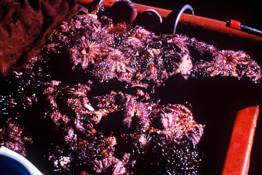
As starfish populations increase to unacceptable on reefs being monitored and the coral threatened with destruction, a plan to control these numbers will be launched utilising dive teams and volunteer divers. The control method will be by injection of an environmentally safe formula. Overall operation will be under supervision of qualified dive masters. The plan includes helping tourist operators to control starfish numbers on their reefs if called upon to do so.
3. FARMING
Plan includes setting up of a facility to farm fish species which are natural starfish predators such as: Lethrinidae (Spangled Emperor), Balistidae (Triggerfish), Arathron (Puffer Fish) and Labridae (Humphead Wrasse). Then under scientific supervision to reintroduce them back onto selected reefs. A feature of this farming program will be an attempt to cultivate the Great Triton Shellfish or Snail (Charonia), the most prolific natural predator of the starfish. Hopefully before it becomes extinct on the Great barrier reef because of decades of over-collecting. Hopefully before it becomes extinct on the Great Barrier Reef because of decades of over-collecting.
4. EDUCATION
Plan includes for a series of marine awareness programs of marine awareness to be made for transmission via the mobile/cell phone and the internet and others for Free to Air and Cable TV. The emphasis will be on good ocean management. Then targeting the youth population, these and other specially prepared awareness programs will be made available on DVD and distributed through the school systems. Travelling school seminars are also envisaged. Education is the first step in preserving our greatest heritage – coral reefs and oceans.

Please wait while the video loads to where you left off.

REMEMBER BELSEN 15042020 720p_ 5 MINS

Oceanguard Aggregation 02 Scarring

Oceanguard.com
REMEMBER BELSEN 15042020 720p_ 5 MINS
Oceanguard Aggregation 02 Scarring
Oceanguard.com
National Geographic Short Film

Auto Reply
Thank you for your recent enquiry. Someone will get back to you as soon as possible.
Kind Regards
The Team
The Team
Oceanguard Society
P.O. Box 294 Freshwater NSW 2096 Australia